Design
Sustainable Design… Just a Trend or a Way of Life?
Published 30 August 2026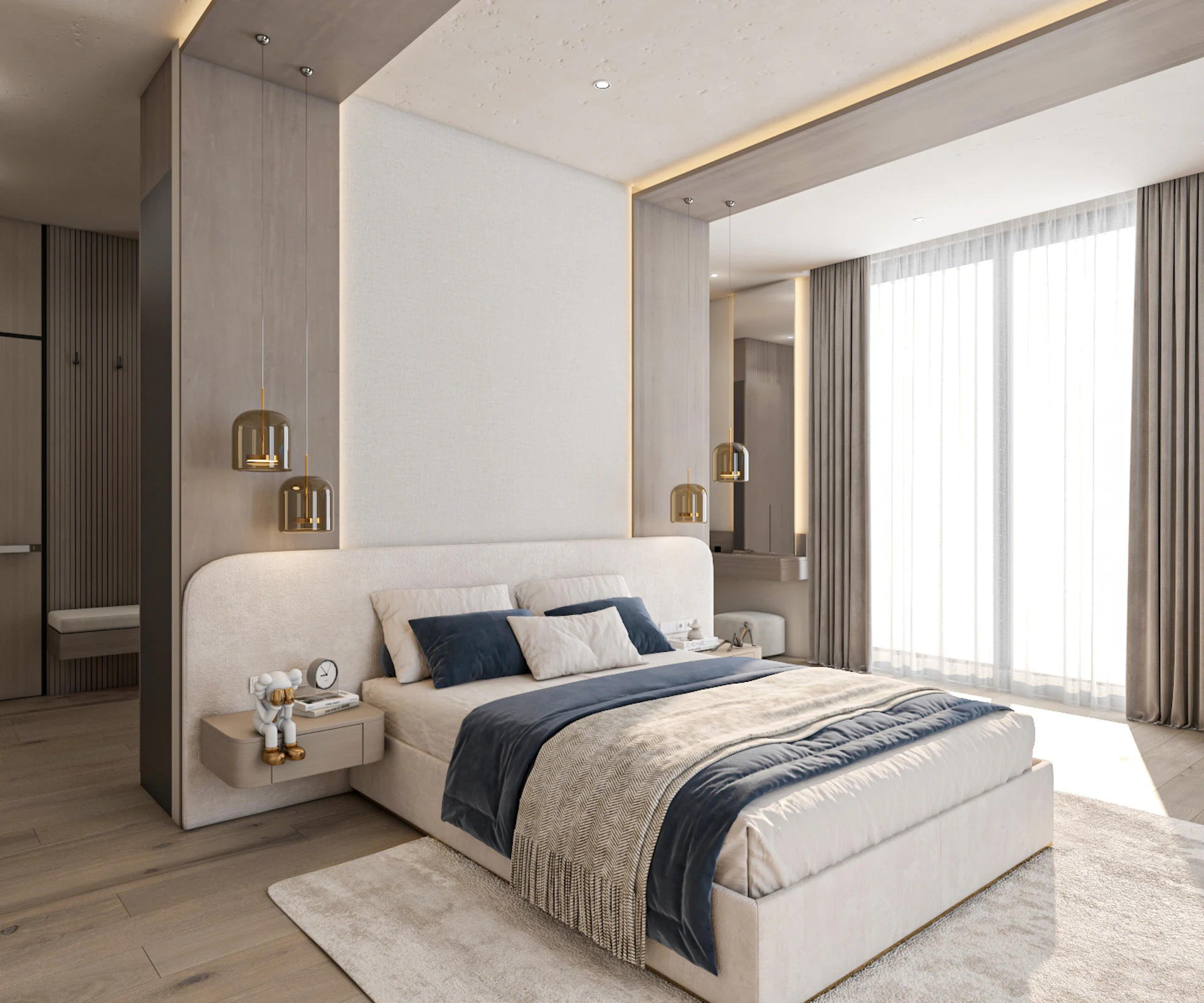
Sustainable Design… Just a Trend or a Way of Life?
In recent years, the word “sustainability” has become part of everyday conversations. We hear about it in architecture, fashion, cars, and even the products we use every day. Naturally, interior design has also embraced this growing movement. But with the term being used so widely, many people have started to wonder: Is sustainable design simply a new trend that will eventually fade away? Or is it a concept that will remain an essential part of how we design our homes in the future?
Some may imagine that sustainable design means a home filled with plants, furniture made entirely from recycled materials, or expensive solutions that are not practical for everyone. In reality, sustainability in interior design is much simpler than that and much closer to our everyday lives than we might think.
At its core, sustainability means making thoughtful decisions from the very beginning of a project, creating a home that remains practical, comfortable, and capable of meeting its owners’ needs for many years. It means designing a space that does not require major changes every few years, choosing long-lasting materials, finishes that are easy to maintain, and solutions that continue to hold their value even as trends change.
Perhaps one of the biggest misconceptions about sustainability is that it is only about protecting the environment. While reducing waste and conserving resources are important parts of it, sustainability in a home begins much earlier. It starts with designing a space around the way its owners actually live, rather than around an image that happens to be trending on social media.
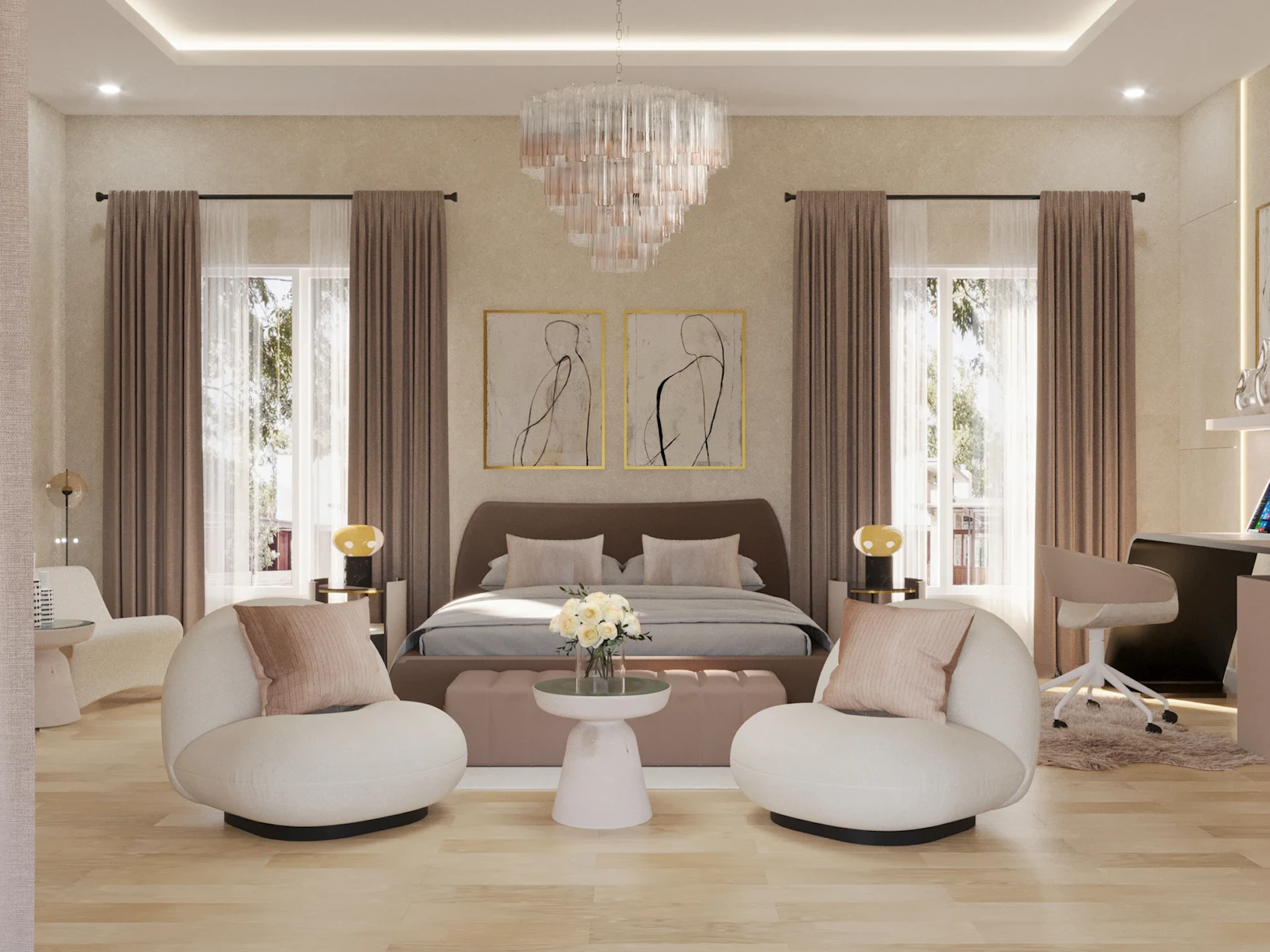
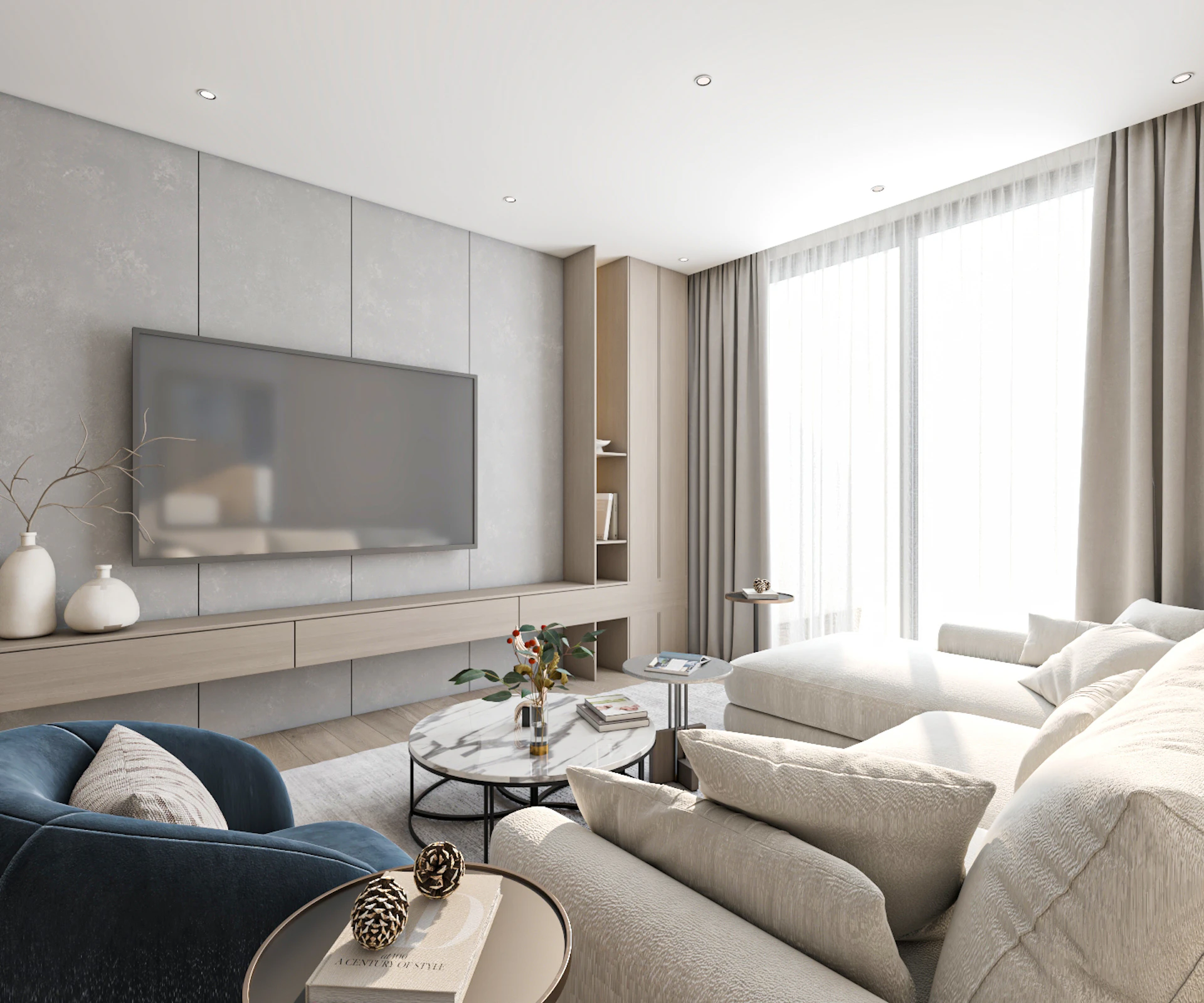
How many times have we admired a design in a photo, only to discover that it does not suit the way we live? And how many homes have undergone a complete renovation just a few years later because their owners chose a temporary trend that quickly lost its appeal? This is where long-term thinking becomes important. A home is not a showroom that needs to change every season. It is a space we live in every day, which is why its design decisions should be based on real needs rather than passing trends.
That does not mean sustainable homes have to be simple or lack luxury. In fact, many high-end projects today incorporate sustainable principles, often in ways that are not immediately noticeable. Investing in high-quality materials, choosing durable flooring that can withstand years of use, or designing a kitchen that remains functional as a family’s needs evolve are all sustainable decisions, even if visitors do not notice them at first glance.
Sustainability also begins with space planning. When rooms are designed intelligently, they can adapt to changing family needs over time. A children’s bedroom can eventually become a study, or a small corner can be transformed into a home office without requiring major alterations or demolition. This kind of flexibility allows a home to grow with its owners rather than constantly requiring them to change it.
The quality of materials also plays a major role. Choosing a material that can last twenty years may be more sustainable than choosing a cheaper option that needs to be replaced after five. The decision is not simply about price; it is about the material’s lifespan, ease of maintenance, and ability to retain its beauty through everyday use.
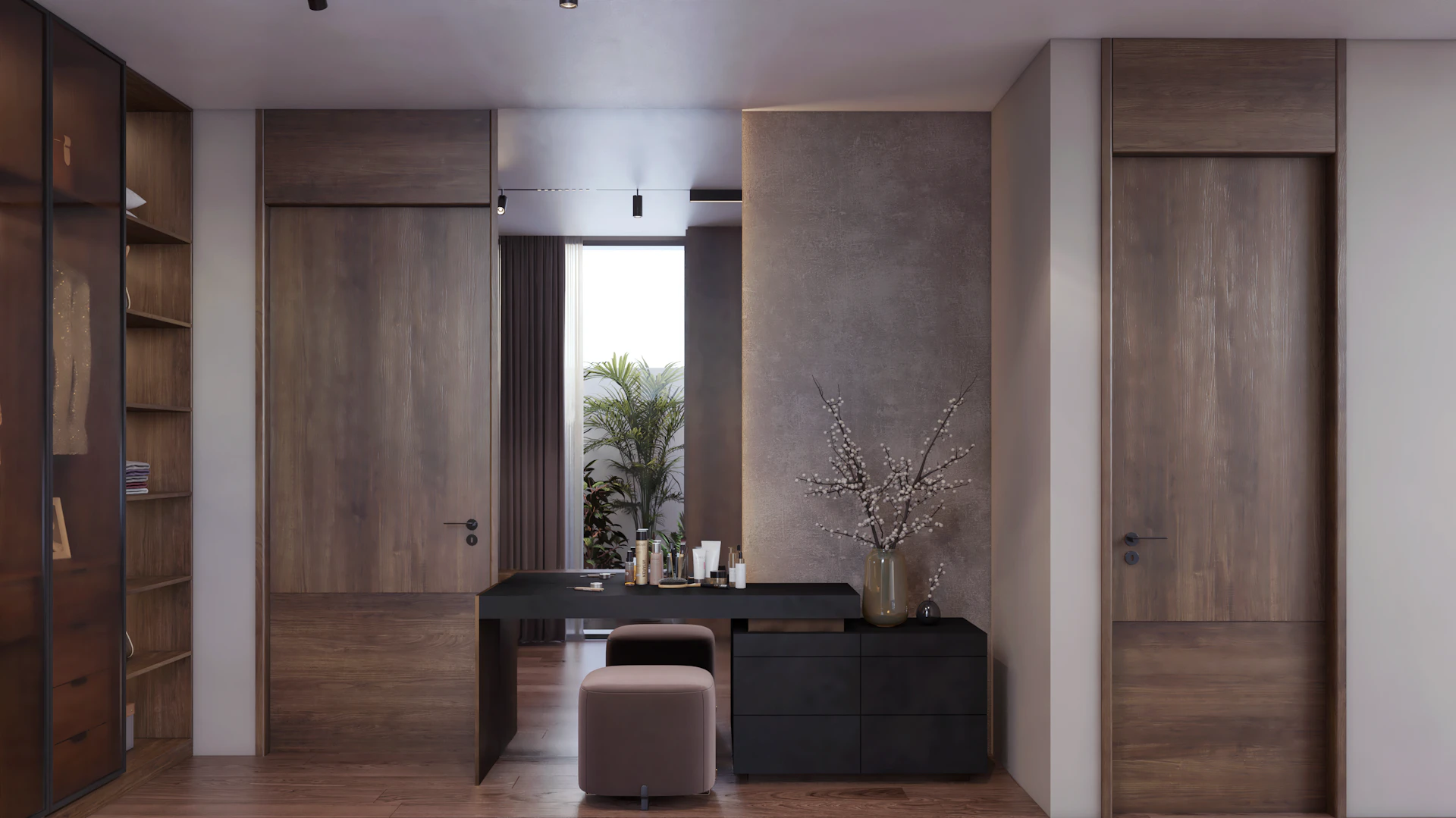
Sustainability is not limited to major elements such as flooring or countertops. It can also be reflected in seemingly small decisions, such as choosing low-emission paints, making the most of natural light, using energy-efficient appliances, or incorporating smart storage solutions that reduce clutter and encourage us to keep only what we truly need.
In Saudi Arabia, sustainability is increasingly becoming part of the future of design and architecture. As the focus on quality of life continues to grow, attention is no longer placed solely on how a home looks, but also on how it performs. How much energy does it consume? How does it respond to heat and natural light? Will it remain practical after years of use? These questions are becoming an important part of what makes a successful interior design project.
The beauty of sustainability is that it does not require an enormous budget. It is not about changing everything in your home, but about making more conscious decisions. Sometimes, keeping a high-quality piece of furniture and giving it a new arrangement is more sustainable than replacing it. Choosing a material that lasts for years can also be a better decision than selecting a cheaper option that requires constant maintenance or replacement. Every small decision can make a difference in the long run.
Perhaps this is why sustainability is no longer measured simply by the number of plants in a home or the types of materials used. Instead, it is reflected in the thinking behind the design. The more a home can serve its owners for years, adapt to their changing needs, and reduce waste without compromising beauty or comfort, the more sustainable it becomes.
This is why sustainability may not be a trend after all. It is not tied to a particular color, design style, or temporary direction in the world of interiors. It is a philosophy that encourages us to create homes that are smarter, better made, and more capable of standing the test of time.
A successful home is not simply one that looks beautiful on the day it is handed over. It is one that continues to look beautiful and function well after years of everyday life. When interior design can achieve that balance between beauty, functionality, and longevity, sustainability becomes more than just a popular term. It becomes a way of life reflected in every detail of the home.
Ready to start your project?
Answer a few questions about your vision and preferences.
We’ll be in touch within 24 hours to schedule your free consultation.