Design
Lighting Is Part of the Design: How the Right Light Transforms an Interior
Published 7 October 2026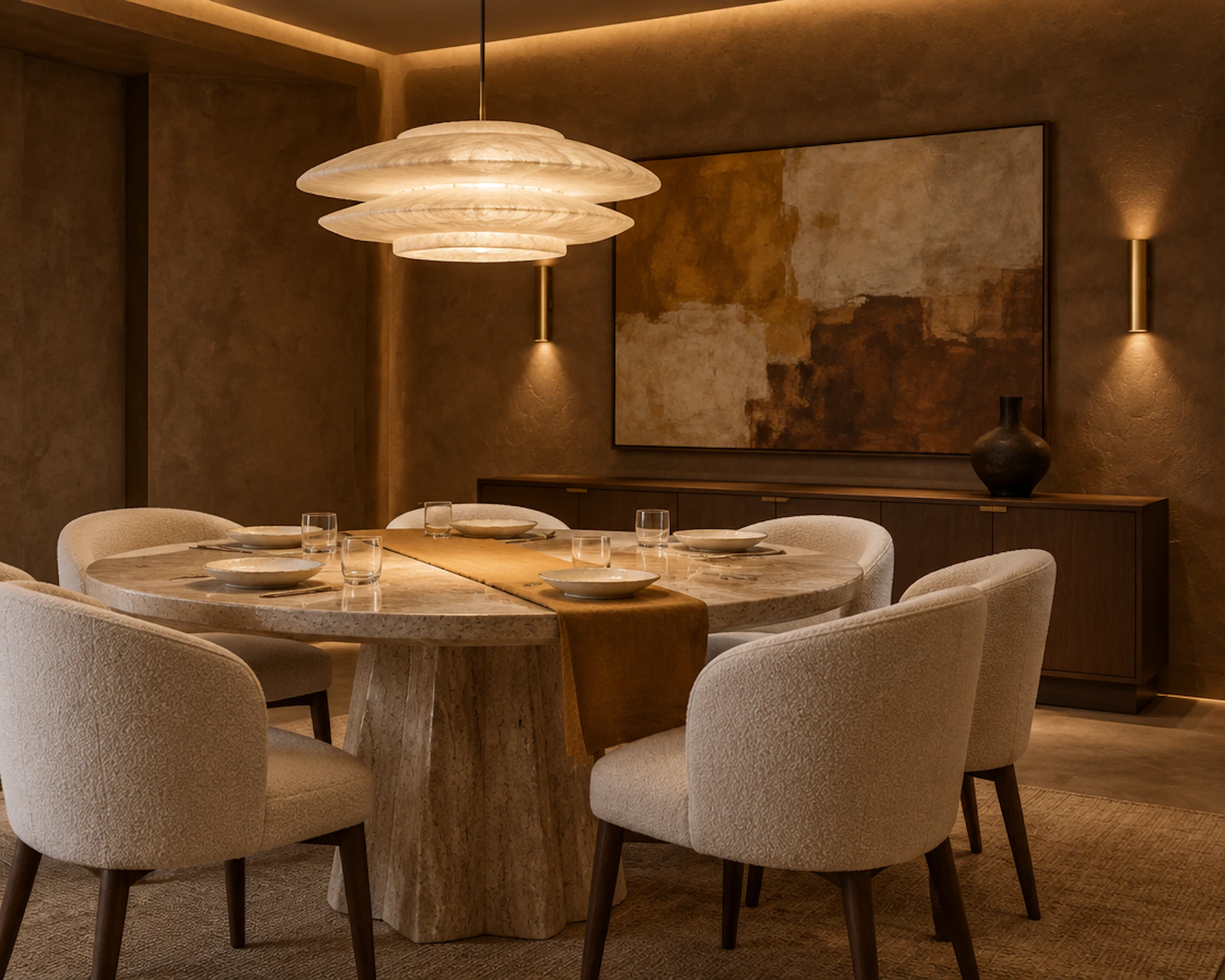
Lighting Is Part of the Design: How the Right Light Transforms an Interior
Lighting is one of the most important elements in interior design, yet it is often treated as something to think about after the furniture, finishes, and decoration have already been chosen. In reality, lighting should be considered from the beginning of the design process because it affects how every other element in the space is seen and experienced. A beautifully designed room can feel completely different depending on the type, direction, intensity, and color of light used in it. Natural daylight can make materials feel fresh and open, while warm evening lighting can create a softer and more intimate atmosphere. This is why good interior design is not only about choosing beautiful furniture or finishes; it is also about understanding how light interacts with them and making sure the lighting supports the overall character of the space.
When designing a home or commercial interior, lighting works alongside the architecture, materials, colors, and furniture rather than sitting separately from them. A marble surface may have a completely different appearance under warm lighting compared to cool lighting, while wood can feel richer and more inviting when illuminated correctly. Even neutral colors, which are widely used in modern and contemporary interiors, can change significantly depending on the lighting temperature and direction. This is particularly important in spaces such as living rooms, dining areas, bedrooms, majlis, and entrances, where the atmosphere can change throughout the day. Instead of asking only, “Which light fixture looks good here?”, it is more useful to ask, “What should this space feel like, and how can lighting help create that feeling?”
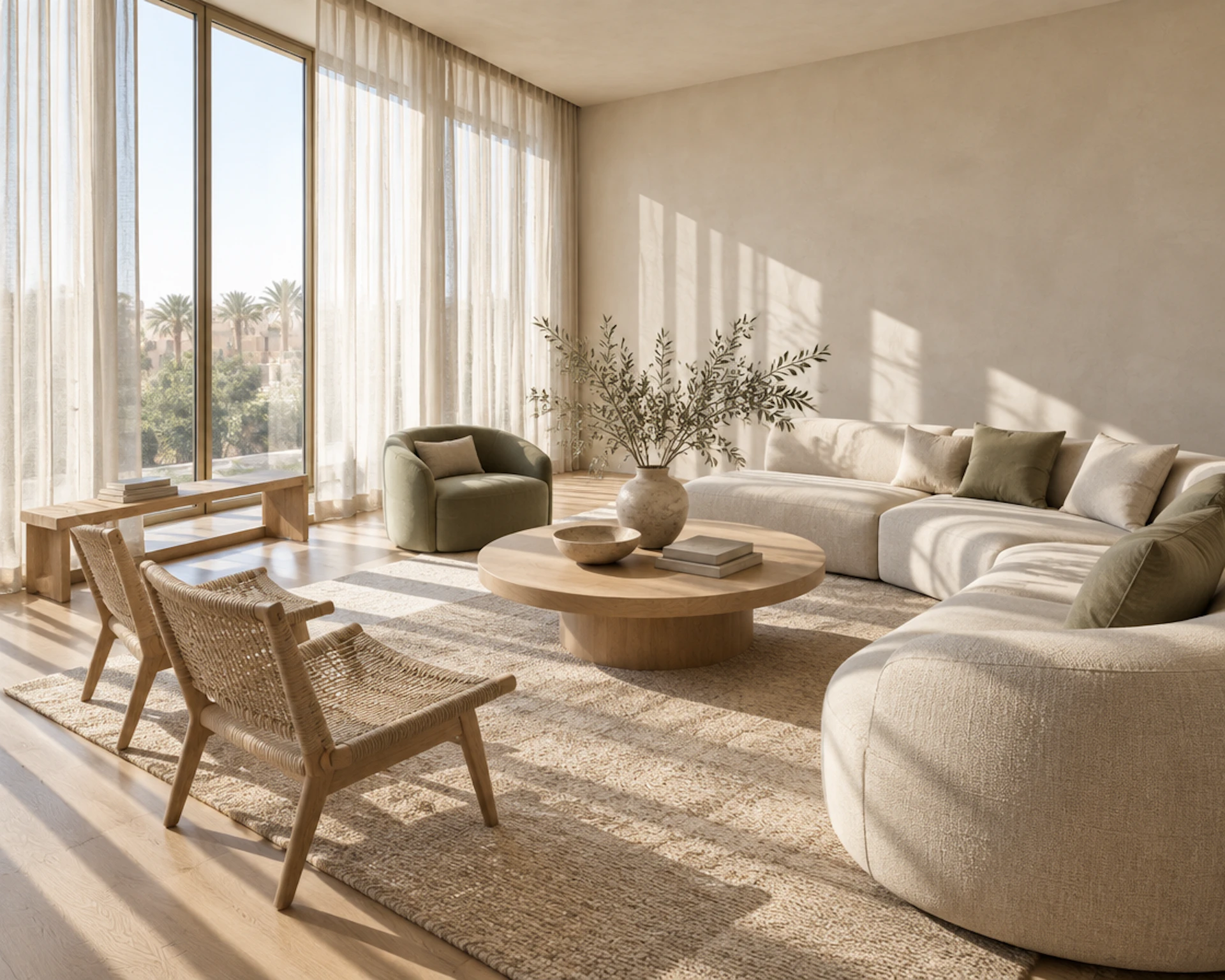
A successful lighting plan usually combines different layers rather than depending on one central light source. General lighting provides overall visibility, while task lighting supports specific activities such as reading, cooking, working, or getting ready. Accent lighting can then be used to highlight architectural features, artwork, textured walls, decorative objects, or other elements that deserve attention. When these layers work together, the room feels more balanced and considered. This approach is especially useful in larger homes where one room may serve several purposes throughout the day. A living room, for example, might need brighter lighting when the family is using the space during the day, but a softer combination of floor lamps, wall lights, and concealed lighting can create a completely different mood in the evening.
Natural light should also be part of the conversation. Before selecting artificial lighting, an interior designer needs to understand how sunlight enters the space and how it changes throughout the day. The position and size of windows, the orientation of the room, curtains, reflective surfaces, and even the colors of the walls can all influence how much natural light a room receives.
In a Riyadh home, where sunlight can be strong for significant parts of the day, controlling and filtering natural light can be just as important as adding more artificial light. Curtains, blinds, glazing, and carefully selected materials can help manage glare while maintaining a comfortable and visually open interior.
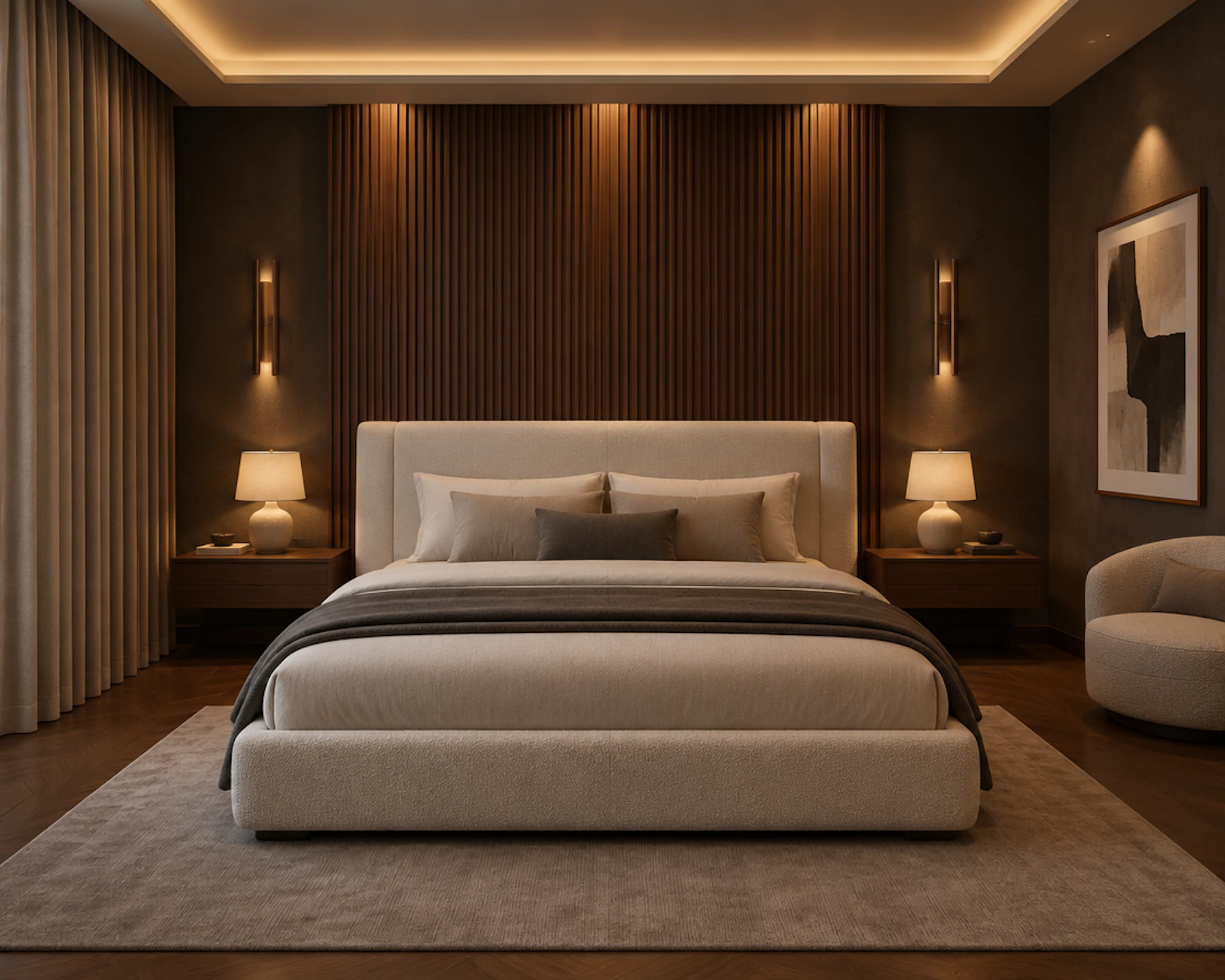
Another important consideration is the color temperature of the lighting. Warm lighting can make a space feel more relaxed and welcoming, while cooler lighting can create a cleaner and more energetic atmosphere. Neither is automatically better; the right choice depends on the room, its function, the materials used, and the atmosphere the design is trying to create. A bedroom may benefit from a softer and warmer lighting approach, while a workspace may require lighting that supports focus and visibility.
The key is to make the lighting feel intentional rather than allowing every room to have the same lighting treatment regardless of its purpose.
Lighting can also become part of the visual identity of a room. A statement pendant above a dining table, sculptural wall lights in an entrance, concealed lighting around architectural details, or carefully positioned spotlights can contribute to the design even when the lights are switched off. This is where lighting becomes more than a functional requirement; it becomes part of the composition. The fixture itself, its scale, shape, material, and placement should work with the furniture and architecture rather than compete with them.
Good interior lighting is ultimately about creating balance. It should help people move comfortably through a space, support everyday activities, reveal the beauty of materials, and create an atmosphere that feels right for the people using the room. When lighting is considered from the early stages of interior design, it becomes possible to coordinate electrical points, ceiling details, furniture placement, materials, and decorative elements instead of trying to fit lighting into a finished space. The result is an interior that feels cohesive from every angle and at every time of day. At Revie, we see lighting as an essential part of the design process, because the right lighting does not simply illuminate a space—it helps define how that space feels.
Ready to start your project?
Answer a few questions about your vision and preferences.
We’ll be in touch within 24 hours to schedule your free consultation.