Design
Interior Design Trends vs. Timeless Design: Creating a space that lasts
Published 6 October 2026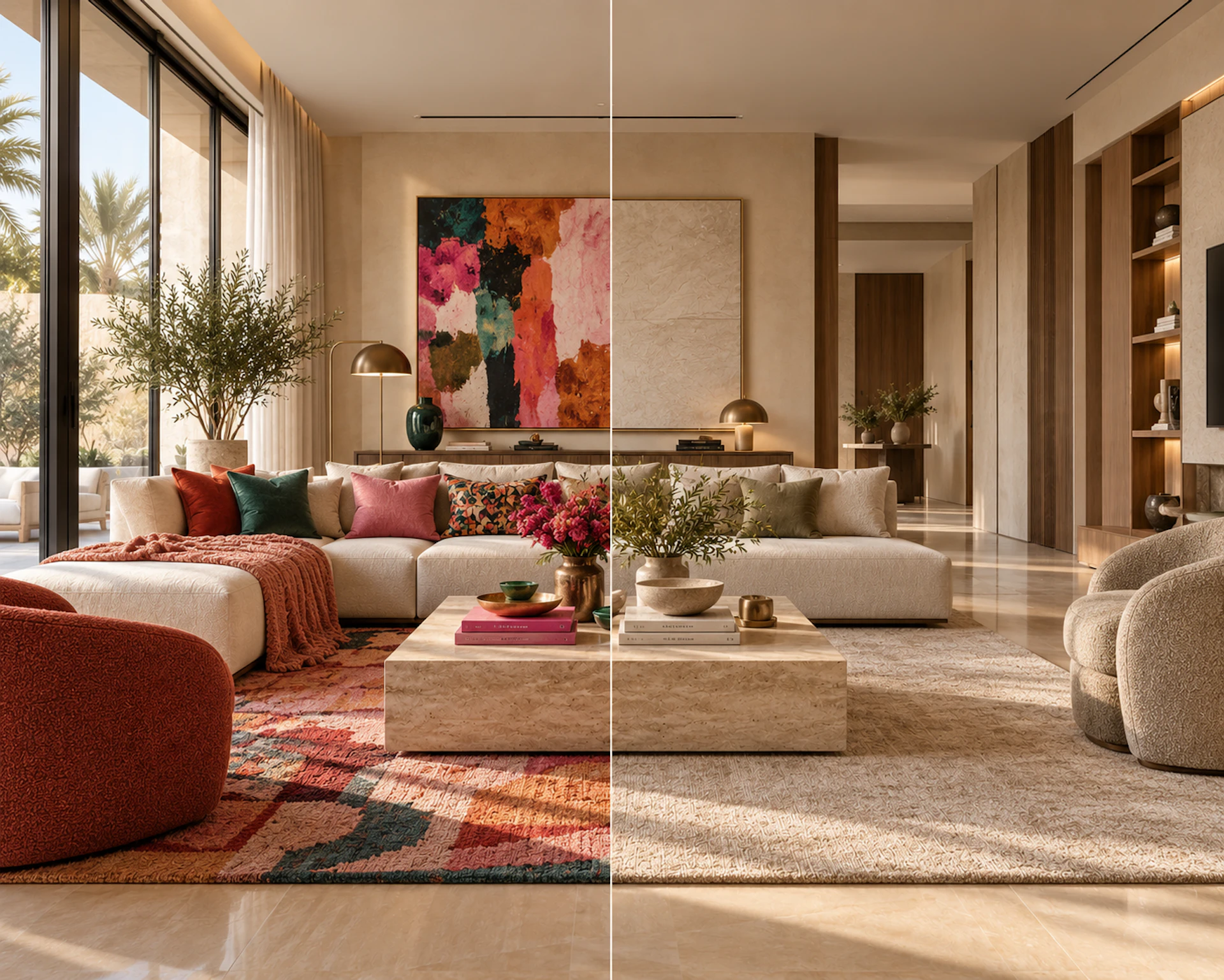
Interior Design Trends vs. Timeless Design: Creating a space that lasts
Interior design trends are everywhere. From social media and design platforms to showrooms and hospitality spaces, new colors, materials, furniture styles, and decorative ideas appear constantly. It can be exciting to see what is becoming popular, especially when planning a new home or renovating an existing space. But designing an interior entirely around what is trending today can sometimes make the space feel dated sooner than expected. The challenge is not about avoiding trends completely; it is about understanding how to use them thoughtfully while creating a design that continues to feel relevant, personal, and comfortable years from now.
A timeless interior does not have to be plain or traditional. In fact, it can be modern, expressive, and highly personal while still having a sense of longevity.
One of the biggest differences between trend-driven and timeless design is the way decisions are made. Trends often influence individual elements, such as a particular color, furniture shape, material, or decorative style. Timeless design focuses more on the relationship between all these elements and how they work together over time.
Instead of choosing something simply because it is popular, the designer considers whether it fits the architecture, lifestyle, proportions, and personality of the space. This creates a stronger foundation that can adapt as tastes change. For example, a neutral architectural palette can remain relatively consistent while artwork, cushions, rugs, occasional chairs, or decorative pieces can be changed later to introduce new colors or trends.
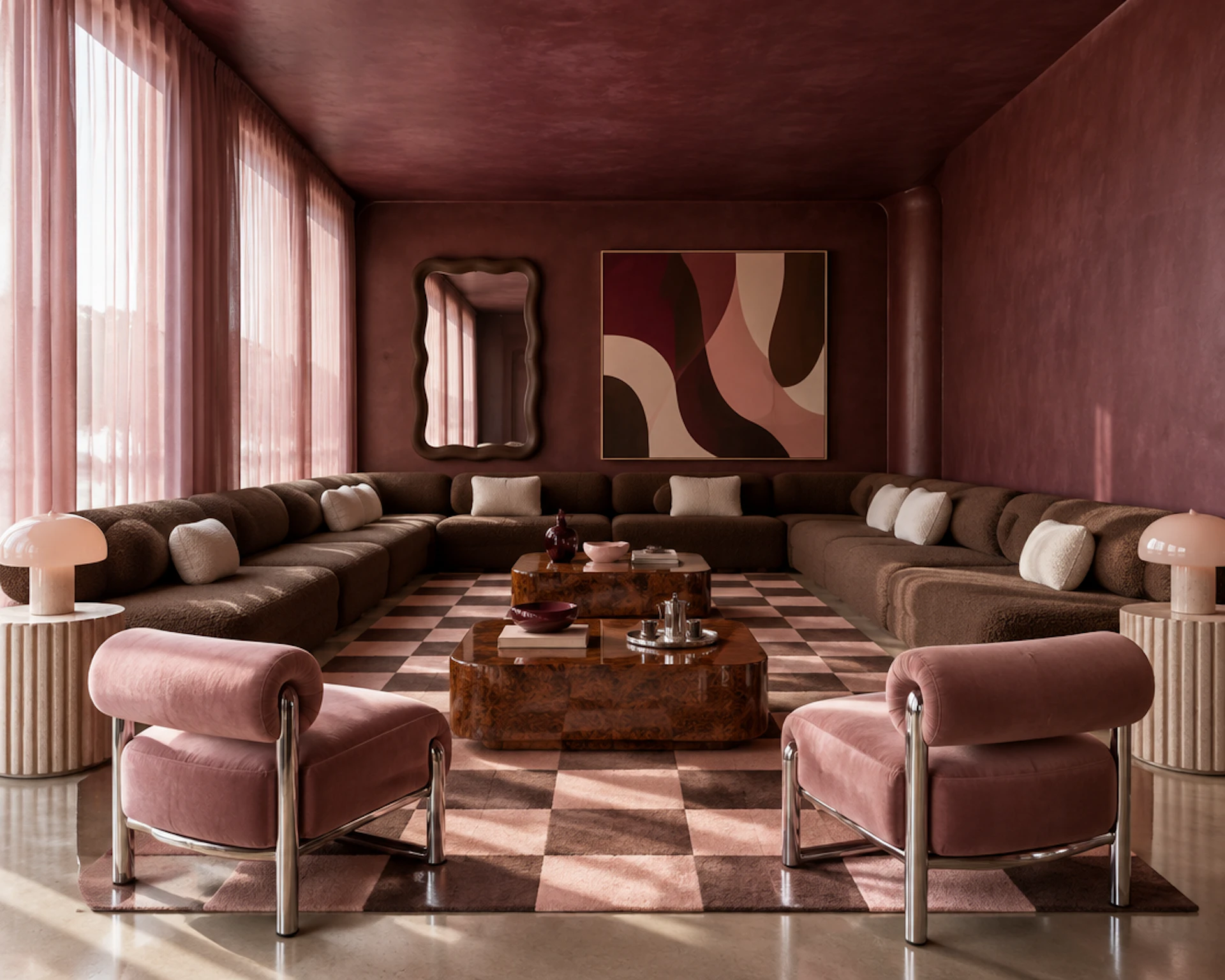
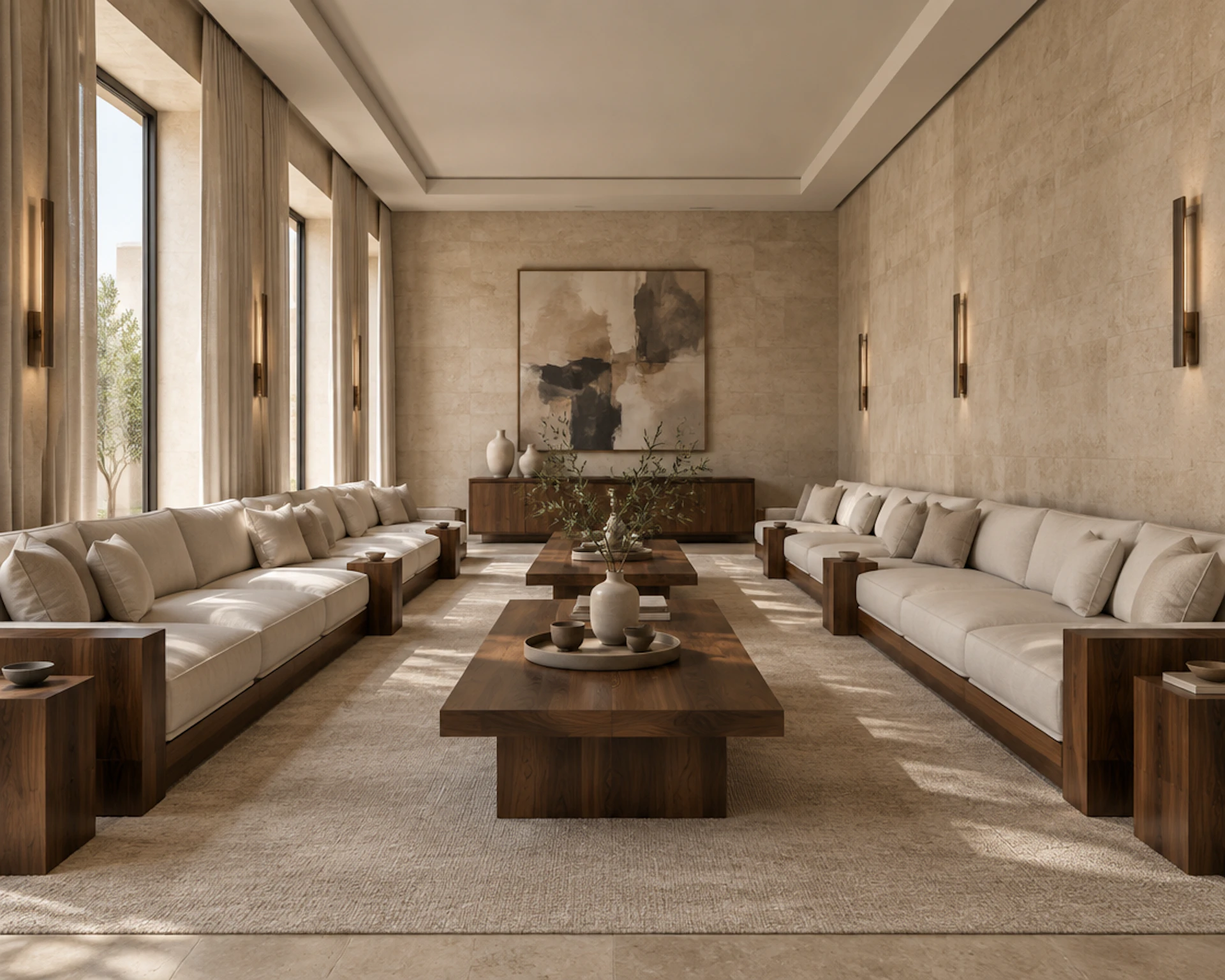
This does not mean that trends should be ignored. Trends can bring freshness and personality into an interior, and some trends eventually become part of the wider language of design. The important thing is where and how they are introduced. Large, expensive, or difficult-to-change elements such as flooring, built-in cabinetry, wall finishes, and major furniture pieces generally require more consideration because replacing them can be costly and disruptive. Smaller elements offer more flexibility. A trending color can appear through artwork or soft furnishings rather than becoming the permanent color of an entire room. A popular furniture style can be introduced through a side table or accent chair instead of defining the whole interior.
Personal taste is another major part of timeless interior design. A space should feel like it belongs to the people who live or work there, rather than looking like a direct copy of a showroom or a social media trend. In residential interiors especially, the design needs to support real routines. Where do people sit? How do they host guests? What do they use every day? Do they need additional storage? Is the home designed for quiet evenings, family gatherings, entertaining, or a combination of all of these? These questions often have a greater impact on the longevity of a design than whether a particular finish is currently fashionable.
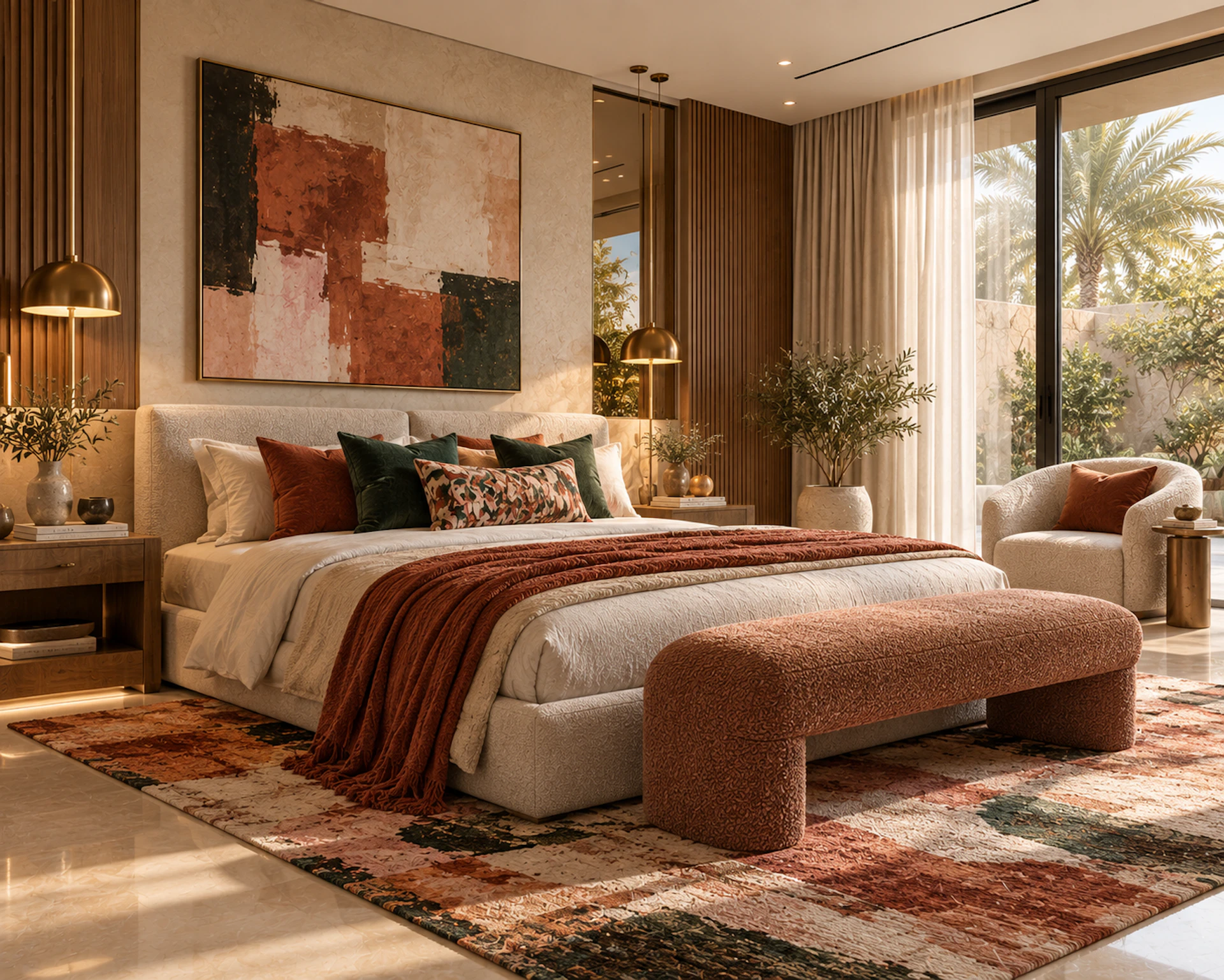
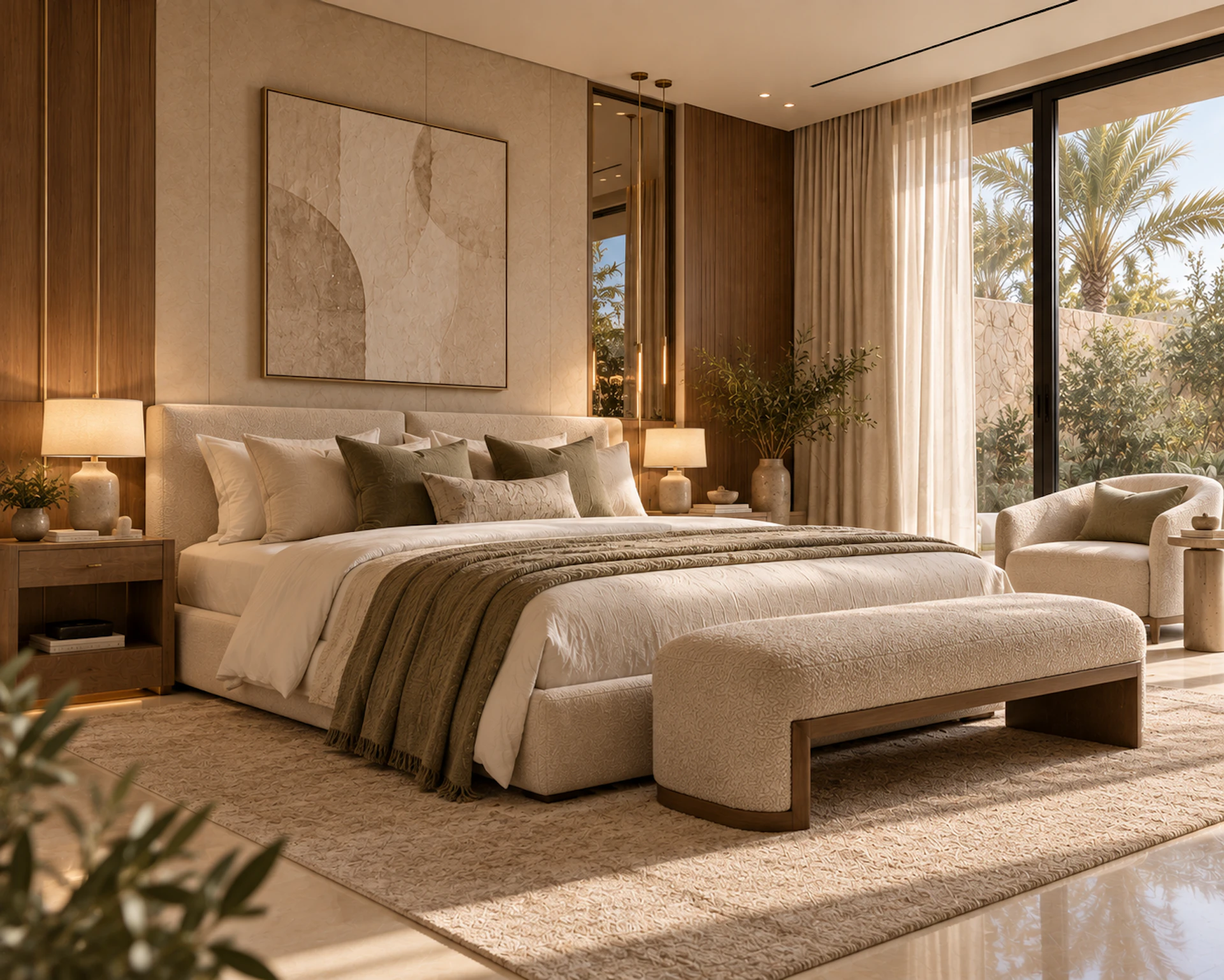
Materials also play an important role in creating a lasting interior. Natural wood, stone, textured fabrics, carefully selected metals, and high-quality finishes can add depth without relying heavily on short-lived visual trends. This does not mean every timeless interior needs to use the same materials.
Rather, it is about selecting materials that have enough visual character and quality to remain appealing as the surrounding design evolves. In a modern Riyadh home, for example, contemporary materials can be combined with elements that reflect warmth, local character, and the way the home is actually used. The result does not need to choose between modern design and timelessness; the two can work together.
A timeless design also leaves room for change. This is one of the most overlooked parts of creating an interior that lasts. People change, lifestyles change, and preferences change. A child's room may eventually become a teenager's room, a home office may become a guest room, or a living space may need to accommodate a different way of entertaining. A good interior should have enough flexibility to evolve without requiring a complete redesign every few years. This can be achieved through adaptable furniture layouts, practical storage, neutral foundations, and decorative elements that can easily be replaced.
Ultimately, timeless design is not about predicting which styles will remain popular forever. That is impossible. Instead, it is about creating a strong foundation based on proportion, function, quality, personal identity, and thoughtful material selection. Trends can then be added where they make sense, giving the interior a contemporary feel without allowing the trend to control the entire design. The most successful spaces often have this balance: they feel current without feeling temporary, personal without feeling overly specific, and refined without losing character. At Revie, our approach to interior design is about creating spaces that respond to the way people live today while giving them the flexibility to continue feeling like home as their lives evolve.
Ready to start your project?
Answer a few questions about your vision and preferences.
We’ll be in touch within 24 hours to schedule your free consultation.